

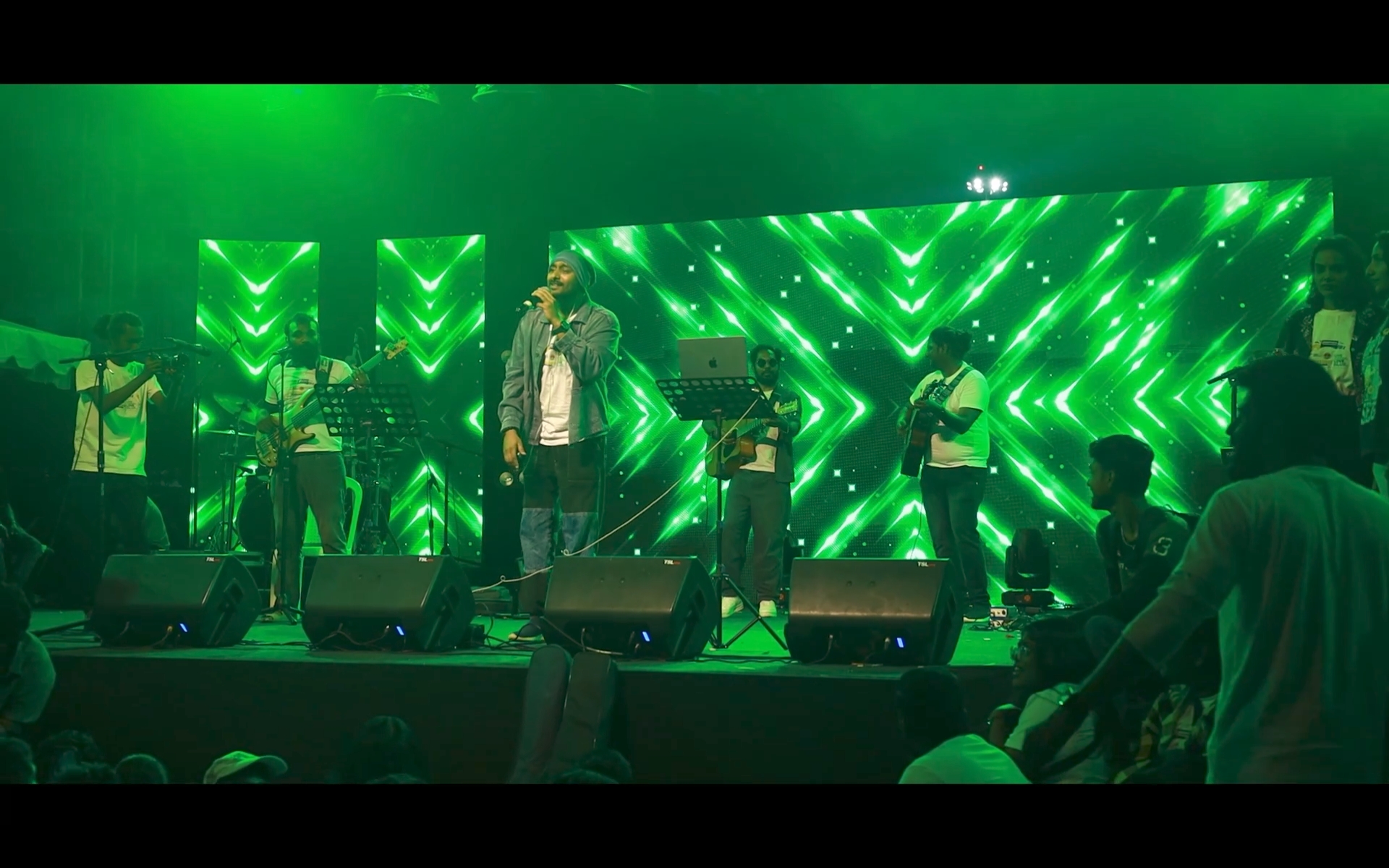
Common Questions About Modern Event Planning Explained for Clients Today By Indiquer Events
Why Does Event Management Feel So Different Today?
Many people feel unsure when they begin planning an event today. The questions are often the same:
- “Why does planning feel more detailed now?”
- “Do we really need professional coordination?”
- “Has client expectation changed this much?”
- “Will managing everything become stressful?”
In Chennai, expectations around events have evolved rapidly. Earlier, planning focused mainly on decoration or stage setup, but today clients think about the overall experience — how guests move, how the event flows, and how comfortable the atmosphere feels. Events are no longer judged only by visuals; they are remembered for how smoothly everything
works together.
Modern event planning aims to make coordination invisible. When structure is built properly, guests enjoy the celebration without noticing the planning behind it. This shift has changed how planners approach layout, timing, and communication from the very beginning.
What clients notice first today:
- Smooth entry and welcome experience
- Comfortable seating and spacing
- Natural flow between segments
“Why Are Clients Asking More Questions Before Booking?”
Clients today ask detailed questions because they want clarity before making decisions. Many want to understand timelines, responsibilities, and backup options before confirming a planner. Instead of rushing into bookings, they now focus on understanding the process fully.
This change reflects awareness rather than doubt. People have seen how small miscommunications can affect an event, so they prefer to explore every detail early. Open conversations help both sides align expectations and avoid confusion later.
Common planning concerns clients raise:
- Timeline transparency
- Vendor coordination clarity
- Budget flexibility options
- Backup arrangements
What Has Changed in Event Expectations Since 2020?
Event expectations have evolved significantly over the past few years. Earlier, grand decoration and large stages were often the priority. Today, clients look for personalised experiences, relaxed environments, and thoughtful planning that feels natural rather than rigid.
Across Chennai, people now prefer celebrations where guests can interact freely without feeling restricted by structure. This change encourages planners to focus more on atmosphere and less on excessive visual elements.
What clients value more now:
- Flexible layouts
- Comfortable guest interaction
- Personalised planning style
“Is Event Management More About Experience Than Design Today?”
Experience has become the main focus of modern event planning. While design still matters, clients remember how the event felt rather than how elaborate the decoration was. Balanced lighting, comfortable seating, and smooth movement create a stronger impact than overly complex visuals.
Design now supports functionality. Planners aim to create environments where guests feel welcomed and relaxed without distraction.
Experience-driven planning focuses on:
- Practical layout choices
- Emotional comfort
- Balanced visual atmosphere
Why Flexibility Has Become a Core Expectation
Flexibility allows planners to adjust plans without disrupting the overall structure. Clients prefer adaptable timelines and layouts that can respond to unexpected changes. This approach reduces stress and makes the planning journey feel more collaborative.
In Chennai’s fast-paced environment, flexible planning has become essential. Whether adjusting seating arrangements or rescheduling segments slightly, adaptability ensures the event continues smoothly.
Where flexibility matters most:
- Timeline adjustments
- Layout customisation
- Vendor coordination
“Do Clients Still Care About Grand Setups?”
Yes, but the idea of “grand” has changed. Clients now prefer elegance and balance rather than excessive decoration. Thoughtful lighting and open layouts often create a more refined atmosphere than heavy structures.
A simple yet well-planned setup can feel more memorable than an elaborate one. This shift reflects a growing preference for authenticity.
Modern design priorities include:
- Elegant simplicity
- Warm lighting ambience
- Spacious visual layout
The Growing Importance of Guest Comfort
Guest comfort has become one of the most important elements in modern event planning. Seating arrangements, airflow, and spacing influence how guests feel throughout the celebration. Comfortable environments encourage interaction and help people stay engaged longer.
In Chennai’s climate, careful planning around airflow and shade helps events feel more enjoyable. Comfort planning begins early so that every part of the event feels welcoming.
Comfort-focused planning includes:
- Seating ergonomics
- Clear walkways
- Ventilation and spacing
“Why Do Clients Talk More About Event Flow Than Decoration?”
Event flow determines how smoothly guests move between different areas. Clients now realise that even a visually beautiful event can feel stressful if movement is confusing or crowded.
Planning entry points, dining arrangements, and stage placement carefully helps maintain a calm atmosphere. Flow planning connects all elements of the event into one cohesive experience.
Flow planning considers:
- Entry and exit paths
- Dining movement
- Stage accessibility
Technology’s Quiet Role in Modern Events
Technology now supports planning without becoming the centre of attention. Lighting systems, sound coordination, and scheduling tools help maintain organisation behind the scenes.
When technology works smoothly, guests rarely notice it — but it ensures that timing and transitions feel seamless. Modern planners use technology to simplify coordination rather than complicate it.
Technology enhances events through:
- Automated lighting control
- Clear sound management
- Real-time coordination tool
“Why Do Clients Expect Transparent Planning?”
Transparency builds trust. Clients want clear explanations about costs, timelines, and responsibilities so they can make informed decisions. Honest communication reduces uncertainty and helps avoid last-minute surprises.
Transparent planning also encourages collaboration. When clients understand the process clearly, they feel more confident contributing ideas and feedback.
Transparency helps through:
- Clear budgeting discussions
- Honest timeline planning
- Open communication channels
How Social Media Has Changed Client Thinking
Social media exposes clients to countless event styles and ideas. Many arrive with inspiration images, expecting planners to recreate similar experiences. The challenge is balancing inspiration with practicality.
Planners help adapt these ideas to suit real conditions such as venue size and guest comfort. This ensures the event feels unique while remaining achievable.
Social media influences planning by:
- Inspiring design ideas
- Encouraging creativity
- Raising expectation levels
“Do Clients Prefer Personalised Events Now?”
Personalisation has become a major expectation. Clients want celebrations that reflect their personality rather than following generic templates. Even small custom touches can make an event feel meaningful.
Personalised planning creates a deeper emotional connection between the host and the event. Guests often notice these thoughtful details more than large decorative elements.
Personalisation may include:
- Custom lighting styles
- Unique seating layouts
- Theme-based design elements
The Shift Toward Natural and Open Spaces
Many modern events favour open environments that allow airflow and flexibility. Natural surroundings create a relaxed ambience and encourage guests to interact freely.
In Chennai, open spaces have gained popularity because they offer both comfort and adaptability. These environments allow planners to create layouts that feel spacious and inviting.
Open-space advantages include:
- Better airflow
- Flexible arrangements
- Natural lighting ambience
“Why Are Clients More Concerned About Timing Than Before?”
Timing plays a crucial role in shaping guest experience. Clients want events that progress smoothly without long delays or rushed segments.
Balanced scheduling ensures rituals, dining, and entertainment feel connected rather than separate. Thoughtful timing keeps energy levels steady throughout the celebration.
Timing strategies focus on:
- Smooth transitions
- Clear schedules
- Balanced pacing
Budget Conversations Have Become More Practical
Clients now approach budgeting with practicality. They want to understand how each element contributes to the overall experience rather than focusing only on scale.
Transparent budgeting allows planners to suggest meaningful choices that align with priorities. This approach creates events that feel intentional rather than excessive.
Budget planning now involves:
- Priority-based spending
- Clear cost breakdowns
- Value-focused decisions
“Are Clients More Detail-Oriented in 2026?”
Yes. Clients notice subtle elements that influence atmosphere, such as lighting tone or seating comfort. These details shape how the event feels overall .
Planners therefore pay attention to small adjustments that enhance the environment without overwhelming the design.
Detail-oriented planning considers:
- Lighting intensity
- Seating alignment
- Decorative balance
Sustainability Is Quietly Influencing Decisions
Eco-conscious planning is gradually becoming part of event discussions. Many clients prefer reusable décor or energy-efficient lighting solutions.
These choices reflect modern values while maintaining aesthetic appeal.
Sustainable planning often includes:
- Minimal waste décor
- Efficient lighting setups
- Thoughtful resource usage
“Why Do Clients Expect Calm Coordination on Event Day?”
Clients appreciate planners who remain composed during unexpected situations. Calm coordination reassures everyone and keeps the celebration running smoothly.
Professional planners focus on solving challenges quietly without disturbing the event’s atmosphere
Calm coordination involves:
- Quick problem-solving
- Clear communication
- Structured leadership
Communication Before the Event Matters More Than Ever
Clear communication helps keep planning organized and reduces uncertainty. Regular updates ensure that clients, vendors, and planners stay aligned.
In Chennai’s fast-paced environment, consistent communication is essential for smooth coordination.
Effective communication includes:
- Regular progress updates
- Vendor coordination meetings
- Clear planning discussions
How Cultural Sensitivity Shapes Modern Events
Understanding traditions helps planners coordinate events respectfully. Cultural awareness ensures ceremonies feel authentic and meaningful.
Thoughtful planning around rituals strengthens the emotional connection guests feel during the event.
Cultural sensitivity involves:
- Ritual layout planning
- Timing coordination
- Respectful presentation
“Why Do Clients Expect Backup Plans Without Asking?”
Preparedness has become an expectation. Clients assume planners will anticipate challenges and prepare alternative solutions in advance.
Backup planning helps maintain confidence and ensures the event continues smoothly even if changes occur.
Backup strategies often include:
- Weather planning
- Technical support options
- Flexible scheduling
The Rise of Multi-Functional Event Spaces
Flexible venues allow multiple activities to happen within the same environment. This adaptability makes transitions smoother and helps maintain a natural flow.
Multi-functional spaces reduce the need for constant rearrangement during the event.
Benefits of flexible venues:
- Seamless transitions
- Efficient space usage
- Comfortable guest movement
Lighting Has Become More Than Just Decoration
Lighting now influences mood, safety, and visual comfort. Thoughtful lighting design enhances ambience without requiring heavy decoration.
Warm lighting styles create a welcoming environment and help unify different parts of the venue.
Lighting planning includes:
- Ambient lighting
- Stage illumination
- Pathway visibility
“Do Clients Expect More Guidance from Event Planners?”
Yes. Clients look for professional advice rather than simple execution. Guidance helps them make confident decisions and avoid common planning mistakes.
Planners now play a supportive role throughout the journey.
Guidance may include:
- Layout recommendations
- Timing suggestions
- Vendor coordination advice
The Importance of Venue Selection in Modern Planning
Choosing the right venue shapes the entire event experience. Accessibility, layout flexibility, and ambience all influence guest comfort.
A well-chosen venue simplifies planning and allows planners to focus on enhancing the celebration.
Venue selection factors include:
- Accessibility and parking
- Layout adaptability
- Overall atmosphere
Why Planning Feels More Collaborative in 2026
Event planning has become a partnership between clients and planners. Ideas are shared openly, creating a balanced and creative process.
Collaboration helps events feel more personalized and meaningful.
Collaborative planning includes:
- Shared decision-making
- Creative brainstorming
- Transparent communication
“What Makes Clients Feel Confident About an Event Planner?”
Confidence grows through consistency and clear communication. Clients feel reassured when planners listen carefully and respond thoughtfully.
Professional organisation builds trust throughout the planning journey.
Confidence is built through:
- Reliable coordination
- Honest communication
- Attention to detail
A New Direction: Events That Feel Natural and Memorable
Modern event management focuses on creating experiences that feel effortless. In Chennai’s evolving event scene, Indiquer Events approaches planning with clarity, flexibility, and thoughtful coordination so celebrations feel organised without losing their personal touch.
When planning becomes seamless, guests focus on enjoying the moment rather than noticing the structure behind it.
Modern event success comes from:
- Guest-focused planning
- Natural event flow
- Meaningful experiences
Frequently Asked Questions :
1. What is the biggest change in event management today?
Events now focus more on guest experience and smooth coordination rather than only decoration.
2. Why do clients ask more questions before booking planners?
They want clarity about planning structure, budgets, and event flow.
3. Are flexible venues becoming more popular in Chennai?
Yes. Many clients prefer adaptable spaces that allow natural movement.
4. How important is timing in modern event planning?
Balanced timing improves guest comfort and overall experience.
5. What makes an event planner stand out in 2026?
Clear communication, flexible planning, and a strong focus on guest comfort.